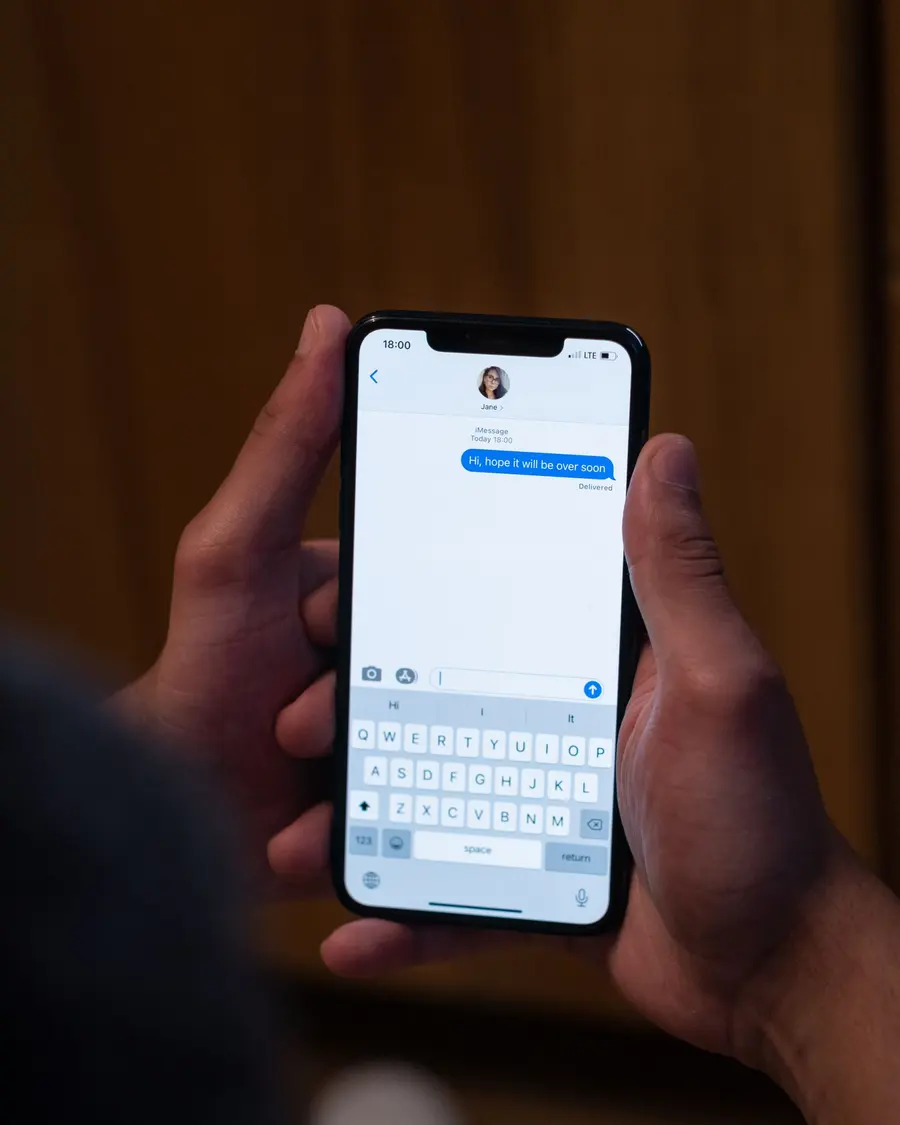
When text is the right call
- Most of your deep conversations already happen over chat.
- You live in different cities.
- You'd freeze in person and want to say it properly.
What to include
- A moment you noticed you liked them.
- What you like about them, specifically.
- What you're hoping for, said plainly.
- An easy way out for them, so there's no pressure.
An example
"I've been wanting to say this for a while. Somewhere between our 2 am conversations and you sending me that terrible meme every morning, I started liking you as more than a friend. I'd love to see where this goes, but I value what we have, so no pressure at all. Take your time."
After you hit send
- Put your phone down. Seriously.
- Don't double text if they take a while to reply.
- Whatever they say, thank them for being honest.
 A dearyou templateLo-fi RoomIf a plain message feels too small, this cosy lo-fi room says it softly: your memories on every object, and the question at the end.Play the demo free
What the research says
When people expressed appreciation in writing, they underestimated how good it made the other person feel, and worried too much about choosing the right words.
That study was about gratitude, not romance, but the lesson carries over: sincere, specific messages tend to be received more warmly than the sender fears.
Questions people ask
Is it okay to confess feelings over text?+
Yes, especially if that's where most of your real conversations happen. It gives the other person time to think instead of reacting on the spot.
How long should a confession text be?+
Three to five sentences: a moment you noticed your feelings, what you like about them, what you're hoping for, and an easy way out.
Make it yours
 A dearyou templateUnlock MePlay the demo free, then fill it with your own photos, words and song.Play the demo free
 A dearyou templateOur ConstellationPlay the demo free, then fill it with your own photos, words and song.Play the demo free
#confession#texting#crush#friendstomore
Sources
- [1]Kumar, A. & Epley, N. (2018). Undervaluing gratitude: Expressers misunderstand the consequences of showing appreciation. Psychological Science, 29(9). Read